A practical guide for the unfinished manuscript
How to finish writing a book you already started
You probably do not need a bigger goal. You need to identify what is actually stopping you, make the next move small enough to start, and let someone or something outside your own head help you decide when it is time to finish.
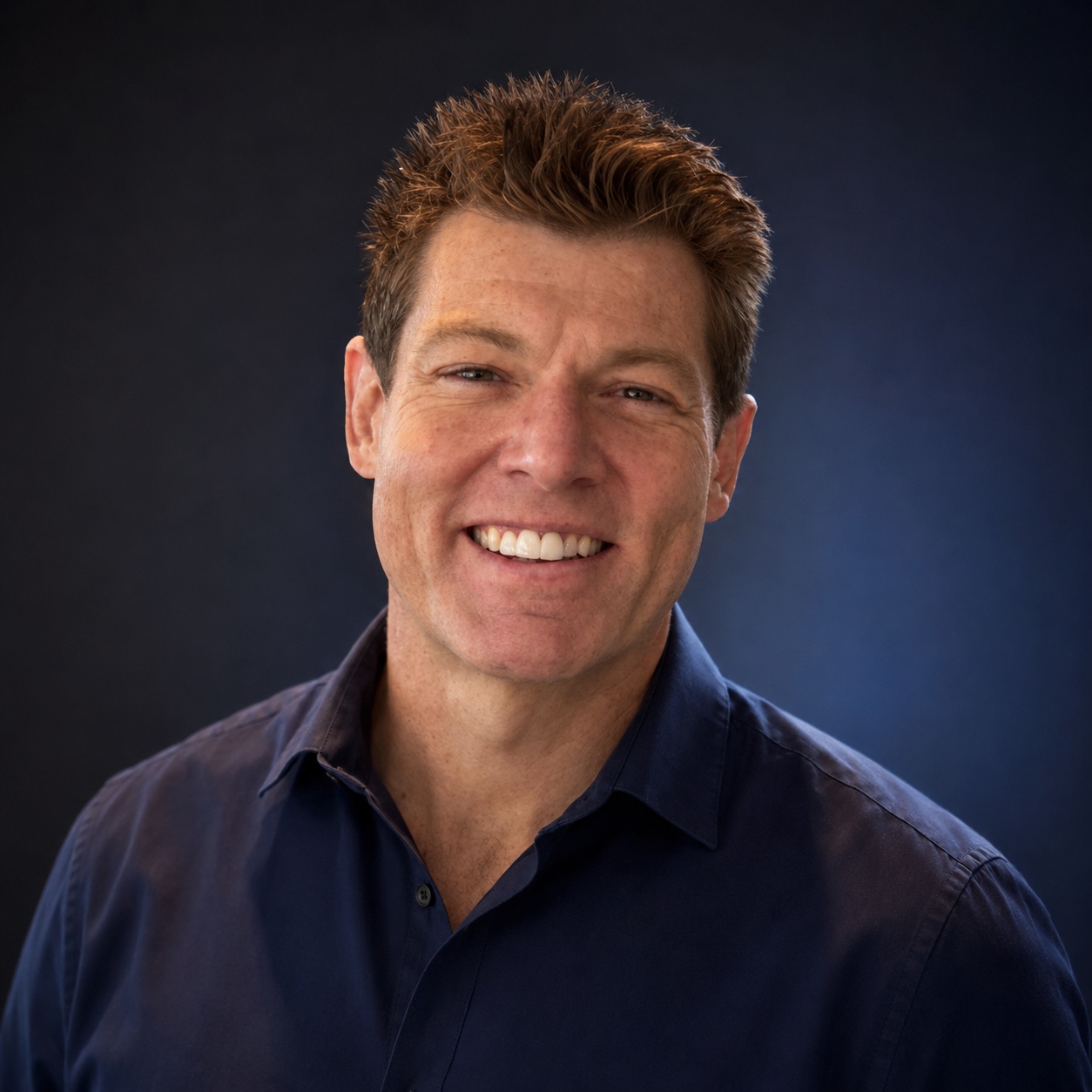
By Ryan PenleyAuthor of Man Up. Sober Up. · Updated September 15, 2026
01 / FIND THE REAL PROBLEM
“I need to finish my book” can mean four different things.
A book can sit unfinished even when you have plenty to say. The next step depends on whether the problem is organization, momentum, editing, or fear.
The pieces are scattered
Your notes, memories, and ideas exist, but you cannot see the order yet.
You lost momentum
Every writing session feels like starting the whole book again.
Editing became an endless loop
You keep improving the same pages because you cannot tell when they are ready.
You started doubting the story
The closer publication gets, the louder the fear becomes that nobody will care.
02 / ORGANIZE WHAT YOU HAVE
Your scattered notes are not nothing. They are raw material.
When I was organizing my own book, I wrote ideas on envelopes and stuck them to a wall. I moved them around until relationships started to appear. That rough map became an outline.
A book usually asks the reader to move through ideas in an order. Your first job is not to discover the perfect order. It is to create one order you can test and change.
Move the pieces first. Name the chapters second.
Turn the wall into a working outline
- 1Capture one idea per card.
Use envelopes, index cards, sticky notes, or a digital board. Keep each card short enough to move.
- 2Group ideas that belong together.
Look for the same event, lesson, question, or stage of the reader’s journey.
- 3Put the groups in a possible order.
Ask what the reader needs to understand first, what changes next, and where you want them to arrive.
- 4Turn each group into a chapter heading.
The outline is movable. Its purpose is to give today’s writing somewhere to go.
sentences can be enough to restart
03 / REBUILD MOMENTUM
Make the goal small. Leave the door open.
On difficult days, I told myself I only had to write two sentences. A target that small removes the argument about whether you have enough time or energy. Starting is the win.
I would also leave a sentence half-finished overnight. My mind wanted to complete it. The next morning, I could add three or four words without facing a blank page. Those words often created the spark for another paragraph.
A “good stopping point” can become the place where your book dies. Stop with something still open and give your brain a reason to come back.
Ernest Hemingway described a related habit: stopping while he still knew what would happen next. The half-finished sentence is the practical version I used. Read the account of Hemingway’s routine.
04 / ESCAPE THE EDITING LOOP
Finishing the draft was not my finish line.
I had already read my manuscript three, four, five times. Then I learned that editing was not one job. There were several passes, more reading, formatting decisions, and criticism I did not always want to hear.
Developmental or story editing
Looks at the big picture: structure, missing material, pacing, order, and whether the book delivers what it promises.
Copyediting
Improves clarity, grammar, consistency, word choice, and sentence-level problems without replacing your voice.
Proofreading
Catches final typos and layout errors after the manuscript and book files are nearly complete.
When every pass produces another pass, define what the current edit is for. Finish that job before reopening every other decision.
05 / MAKE THE FINAL DECISION
Near the end, the manuscript may stop being the problem.
After working on Man Up. Sober Up. for so long, I started wondering whether people would be into it. I needed encouragement that my story was enough. I also needed a voice outside my own head to say, “All right. It is now or never. Let’s move.”
You can reread a book forever. Eventually, finishing requires a decision. A trusted reader, editor, coach, or experienced author can help you separate a problem that needs another pass from fear that needs a deadline.
- Name the exact purpose of the next revision.
- Decide who has authority to give final feedback.
- Set the date when revisions stop.
- Move into formatting, proofing, and publication.
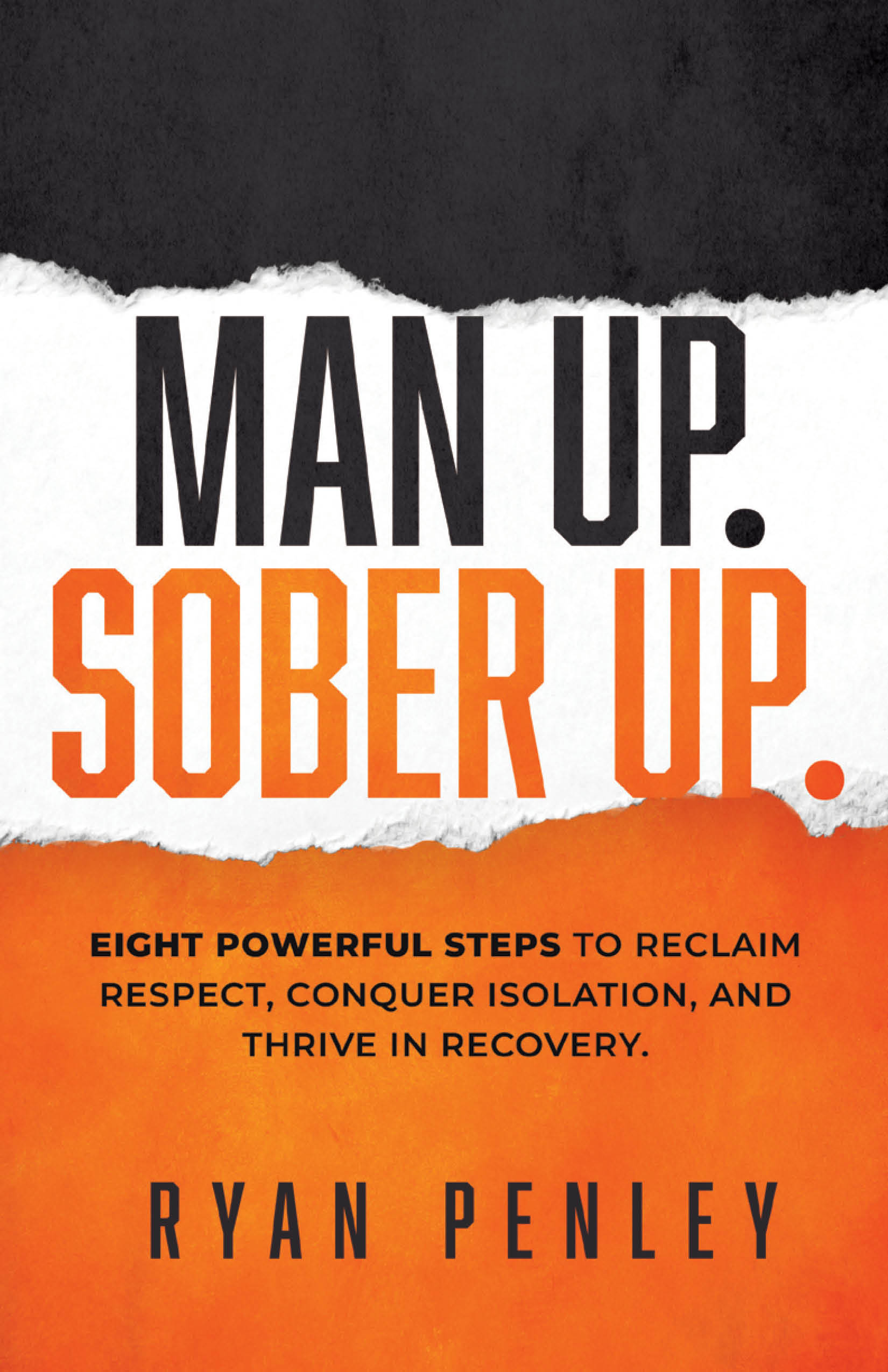
Written and self-published by Ryan Penley.
See the published bookYOUR NEXT 30 MINUTES
Restart the book today.
Do not plan the entire publication. Create one visible next move.
- 10 min
Gather every note, document, recording, and unfinished chapter into one place.
- 10 min
Choose the section with the most energy or the clearest unfinished thought.
- 10 min
Write two sentences. Stop with the next sentence or idea still visible.
Start free · No email required
Find your book’s next move.
The Book Finish Line meets you at your idea, notes, outline, draft, or publishing files and gives you a practical next step.
Use the free Book Finish LineWhen another set of eyes would help
Get help finishing.
Follow the Finish the Book process at your pace, add weekly support, or apply for a private partnership with Ryan.
See the three ways to work with RyanCOMMON QUESTIONS
Questions writers ask near the finish line
Should I organize everything before I start writing again?
No. Create enough order to choose the next section, then write. The outline can change as the book becomes clearer.
How do I know whether my story is worth writing?
You do not need proof that everyone will want it. You need a clear reason for telling it and a reader you hope it can help, encourage, challenge, or entertain. A specific, honest story can matter without trying to speak for everyone.
Can AI organize my book notes?
AI can suggest themes, groups, and possible orders. Treat those suggestions as editorial options. You remain responsible for the facts, the meaning, the voice, and the final structure.
Do I need all three kinds of editing?
Not every project uses the same process or job titles. Most books still need separate attention to big-picture structure, sentence-level clarity, and final proofreading. Decide what your manuscript needs and what you can handle yourself before hiring help.